Laundry 101: Simple Secrets for Fresh, Flawless Laundry
We’ve all been there — the day you’ve been waiting for finally arrives. You’ve planned everything for your big promotion: childcare, transportation, your speech, your outfit. You wake up early, take a refreshing shower, and start getting ready… only to realize you can’t find the dress you planned to wear. You check your wardrobe, your kids’ closet, everywhere — and then it hits you: it’s probably in the laundry basket. You rush to the laundry room, hoping you’re wrong, but there it is — dirty, wrinkled, and stained.
It happens to the best of us. As a busy mom juggling countless tasks, forgetting a load of laundry is totally understandable. But while laundry may feel like a never-ending cycle, it doesn’t have to control your day — or cause last-minute stress.
In this article, we’ll walk you through the 7 essential steps of laundry, along with practical tips for busy Portlanders to make laundry easier, faster, and more manageable.
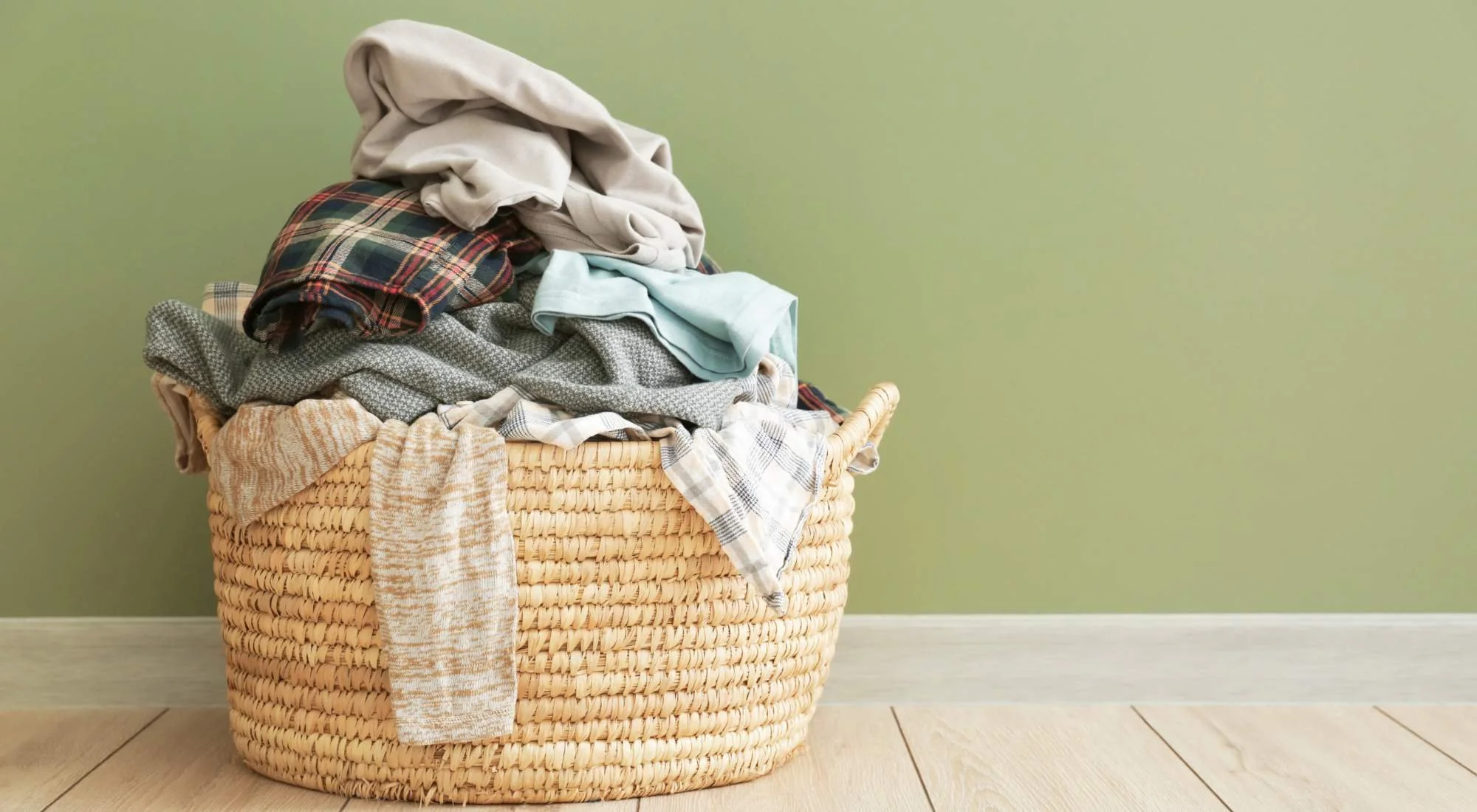
What Are the 7 Steps of Laundry?
The seven steps of laundry are simple tasks that help you wash and care for your clothes:
Identify symbols: Know what your clothes can handle by reading the labels.
Sort: Separate colors and fabrics to prevent damage and color transfer.
Add detergent: Use the right detergent and the correct amount for your load.
Set the washer: Choose the cycle that fits your load and fabric type.
Treat stains: Address stains promptly for the best results.
Dry: Protect clothes by air-drying or using the proper machine settings.
Fold: Keep clothes neat, wrinkle-free, and ready to wear.
The pros at Tidy Up Portland! are masters of all kinds of cleaning — laundry included. Here are our Laundry 101 tips to help your clothes stay fresh, bright, and long-lasting.
Step 1: Educate Yourself About Laundry Symbols
Although laundry symbols may seem complicated at first, they’re easier to interpret than you might think. These symbols tell you how to care for your clothes — how to wash them (including the recommended cycle), how to dry them (machine or air), and even the safe ironing temperature. Once you’re familiar with them, laundry becomes much simpler.
Common symbols:
Tub of water: Indicates the correct water temperature and wash cycle.
Triangle: Shows whether bleach can be used and which type.
Square with a circle: Tells how to dry your garment.
Iron shape: Explains which heat settings are safe.
Circle: Indicates whether professional cleaning is required.
Checking fabric care labels helps preserve your clothes, preventing shrinking, fading, and damage. Following these symbols can save time, money, and frustration while keeping your wardrobe looking its best.
Step 2: Sort Like a Pro
Sorting your clothes helps them stay looking new and well cared for, as well as helping them last longer. It protects fabrics and colors, ensuring your garments look their best wash after wash.
Why sorting matters:
Prevents color bleed: Keep whites bright and colors vibrant.
Protects fabrics: Different materials require different wash settings — for example, a delicate blouse shouldn’t be washed with jeans.
Sort laundry into four main categories:
Lights: Whites, pastels, and light grays
Darks: Blacks, navies, reds, and deep hues
Delicates: Lingerie, silks, and lightweight fabrics
Towels & Linens: They shed lint and need hotter water for sanitizing.
Quick tip: Use mesh laundry bags for small or delicate items like socks, lingerie, baby clothes, or delicate tops to prevent damage and tangling.
Step 3: Master Your Detergent and Add-Ins
Knowing which detergent to use — and how much — makes a big difference in keeping your clothes clean, fresh, bright, and soft.
Detergent types:
Liquid: Dissolves easily and works well for everyday loads.
Pods: Pre-measured and convenient, but usually more expensive.
Powder: Best for heavily soiled items and whites, but must dissolve completely.
How much to use:
Using too much detergent can make clothes feel stiff or look dull. Check the label or the cap for guidance; most loads only need one or two tablespoons. The right amount helps avoid soap buildup, keeps fabrics soft, and protects your washing machine.
Add-ins:
Fabric softener: Reduces static and smooths fabrics when added during the rinse cycle.
Vinegar: An eco-friendly alternative that removes odors and detergent residue.
Eco-friendly tips for Portland households:
Use plant-based, biodegradable detergents.
Wash in cold water to save energy.
Consider refill stations or concentrated formulas from local zero-waste shops.
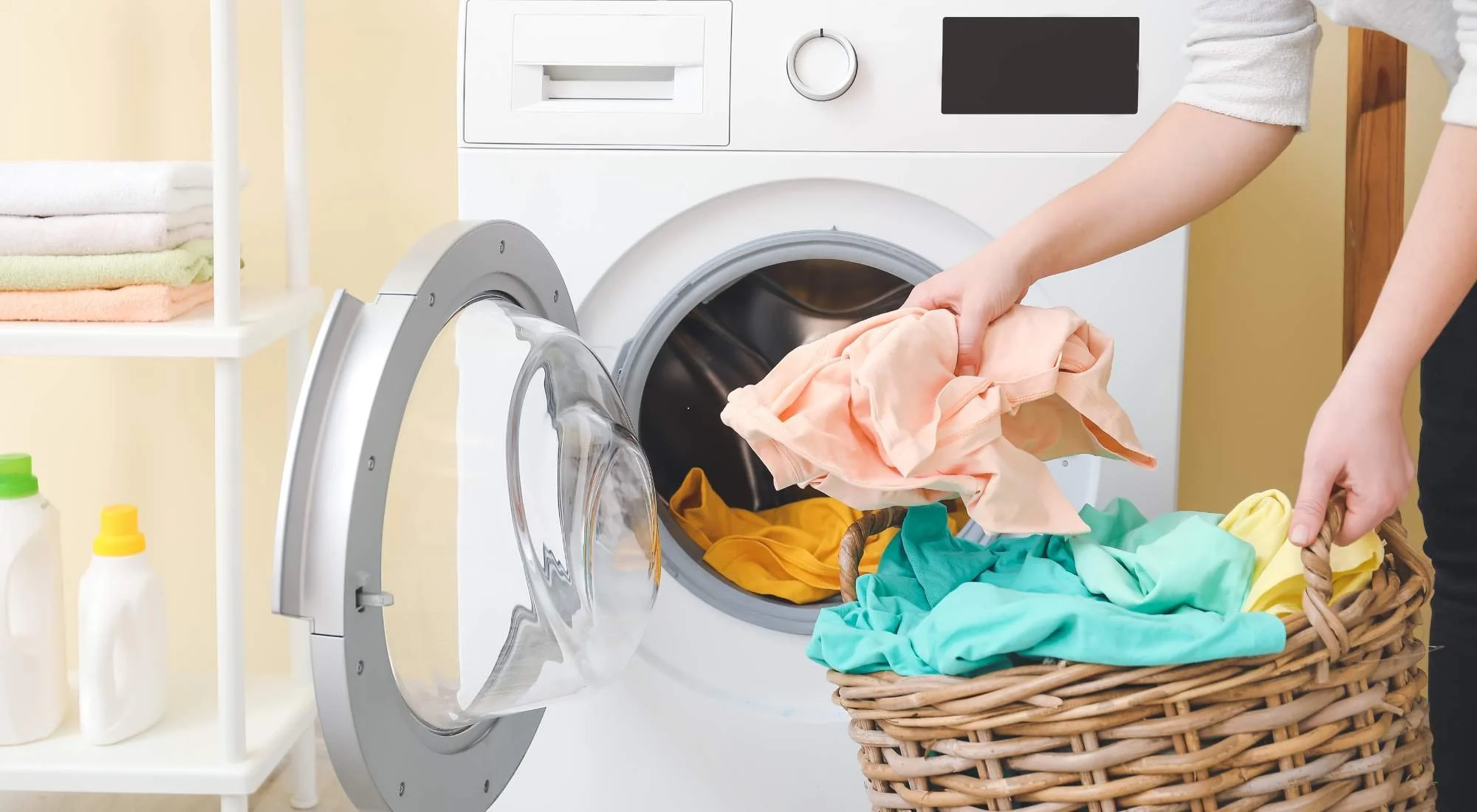
Step 4: Choose the Right Washer Settings
Getting the settings right on your washer helps you clean your clothes well and keep them in good shape. Picking the right temperature and cycle can also help you save energy and avoid damage.
Water temperature:
Cold: Best for darks, bright colors, and delicates.
Warm: Ideal for synthetics, everyday clothes, and moderately soiled items.
Hot: Perfect for towels, sheets, and heavily soiled fabrics.
Cycle types:
Normal: Everyday items like t-shirts and jeans
Delicate: Silks, lingerie, and lightweight fabrics
Heavy-duty: Towels, beddings, and sturdy fabrics
Extra options:
Pre-wash: Useful for heavily soiled clothes or sports gear.
Extra rinse: Helps remove detergent residue and is great for sensitive skin.
Step 5: Stain Removal Basics
To get rid of stains, try to treat them before you wash your clothes. Acting quickly gives you a better chance of removing the stain completely. Gently blot the stain with a clean cloth or paper towel. Also, avoid rubbing, as that can make the stain harder to remove.
Common stains and quick solutions:
Red wine: Sprinkle salt, or soak in cold water.
Coffee and tea: Rinse with cold water before washing.
Grass: Pre-treat with liquid detergent.
Oil & grease: Sprinkle baking soda before washing.
Blood: Use cold water, then use a gentle detergent.
For stains, DIY options like baking soda, vinegar, or lemon juice are eco-friendly and effective. Store-bought removers now often come in plant-based or biodegradable formulas, offering convenience without harsh chemicals.
For a sustainable lifestyle — laundry included — let Tidy Up Portland! handle it for you. Our team of experts will make sure your clothes are cleaned with care while saving both water and energy.

Step 6: Drying Done Right
Drying your clothes properly saves energy, protects fabrics, and complements washing.
Air-drying is gentle on fabrics, reduces shrinkage and fading, and is eco-friendly by saving energy, though it can be slower depending on the weather and space.
Machine-drying is fast and convenient but may cause shrinkage, color changes, and static.
Tips for machine drying:
Use dryer sheets to soften fabrics and reduce static.
Use wool dryer balls for a natural, reusable, eco-friendly alternative.
Dry delicates and knits on low heat or air-dry them.
Remove clothes immediately after drying to prevent wrinkles and separate fabrics to minimize static.
Step 7: Folding and Finishing Touches
Folding your clothes is important because it helps you organize them, making it easier to see and access your items. Folding also protects fabrics and prevents wrinkles.
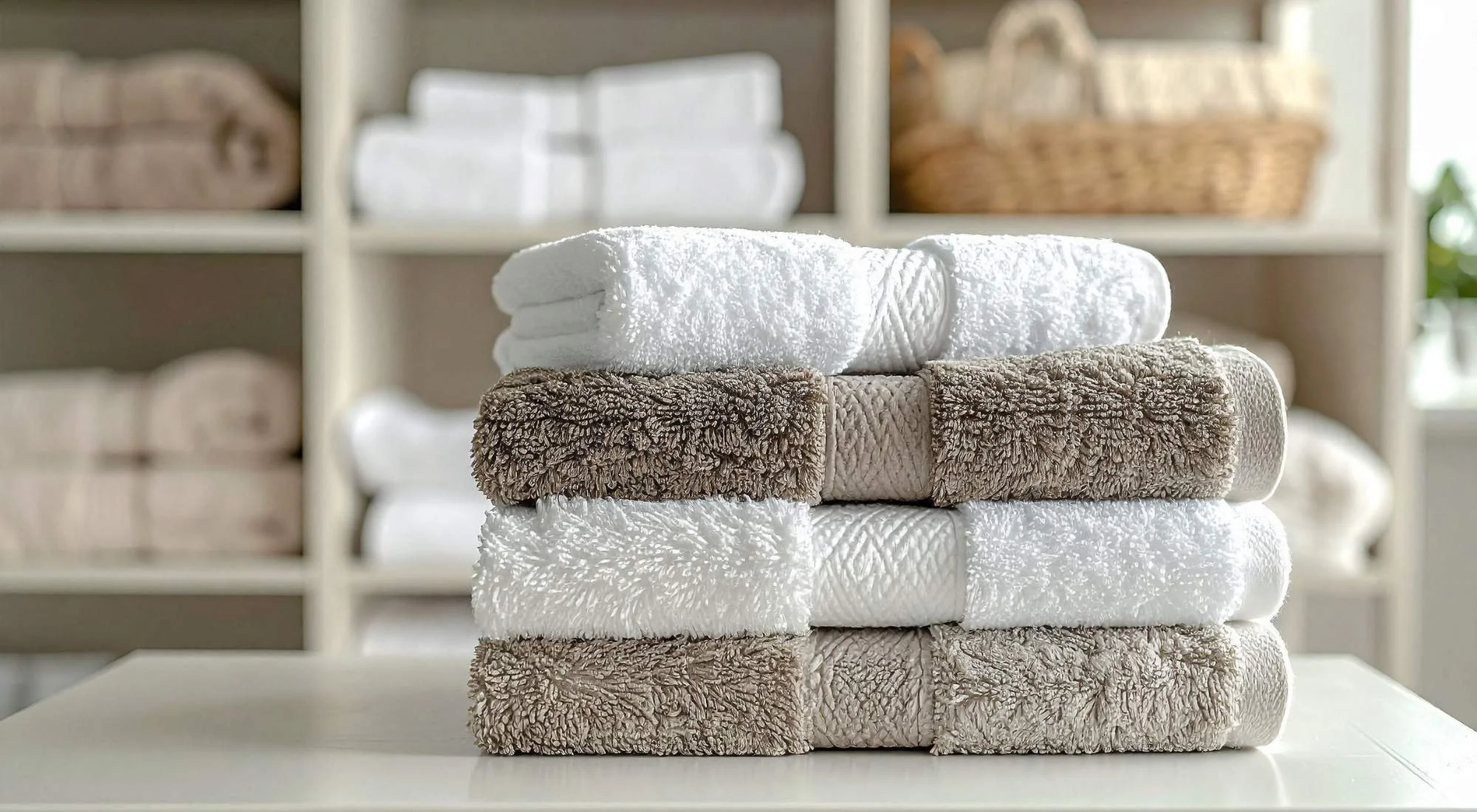
Towels: Fold in thirds and then in thirds or halves.
Shirts: Lay them flat, fold the sleeves in, and then fold in half or thirds.
Fitted sheets: Fold the corners into a rectangle first, then fold into thirds or quarters.
For a finishing touch, sprinkle a bit of baking soda or add a few drops of essential oil to enhance freshness, or use linen sprays for bedclothes.
Bonus Tips for Busy Portlanders
Establish a Wash Schedule
Establishing a wash schedule might feel like a lot when you already have other chores, but it helps keep laundry organized and manageable. You’ll avoid piles of dirty clothes and always have clean ones when needed.
Not everything needs washing after every use. Knowing how often to wash different items saves time and energy — and can even extend your clothes’ lifespan. Use the guide below:
Wash after every use:
Underwear
Socks
T-shirts, tank tops & camis
Leggings & tights
Swimsuits
Whites & silks
Clothes with stains
Wash after 2-3 wears:
Jeans
Bras
Wash after 3-5 wears:
Bath towels
Pajamas
Quick tip: Wash bed sheets every two weeks to avoid contact with dust mites and their waste.
Don’t Let Laundry Pile Up Too Much
Now that you don’t have to wonder what the basic steps of laundry are, it’s just as important to figure out when to do it. Knowing when to do your laundry helps keep it under control. Waiting to do it all in one day can be overwhelming, so try smaller, manageable loads more often. This keeps your clothes clean, fresh, and ready to wear.
Just remember not to wash very small loads, as it wastes water and energy.
Outsource Laundry Day
And if all else fails, you can always count on the experts to take care of your laundry. Let Tidy Up Portland! handle the heavy work for you as part of our Tidy Up package, so you can focus on what matters most.
Too Busy To Sort and Fold? Let Tidy Up Portland! Handle Your Laundry
Tidy Up Portland! is a woman-owned, local cleaning company. After cleaning over 10,000 homes, we’ve gained the experience to guarantee you’ll love our work — and we genuinely care about doing it well.
We offer flexible packages to fit your needs: choose from our Maintenance Cleaning, Deep Cleaning, or Tidy Up Package. We use eco-friendly products and limit disposable items, plus we offer easy online booking and payment.
If you’re ready to give your laundry new life and free up time for what matters most, contact us today — we’re here to help.
