Do Air Purifiers Make a Difference? What You Should Know and Do To Improve Air Quality at Home
You already swap out the air filter every few months and crack a window when the kitchen gets smoky. Yet somehow, the air in your home still feels a little off.
Maybe it's the sneezing that picks up after you vacuum, the lingering smell of last night's dinner, or the layer of dust that reappears on your desk two days after you cleaned it. Sound familiar?
Here's the truth: indoor air quality is more complicated than most people realize, and no single solution fixes it. In this post, we'll break down exactly how air purifiers work, what they can and cannot do, and what actually makes a lasting difference in the air you and your family breathe every day.
What Is an Air Purifier and How Do Home Air Purifiers Make a Difference?
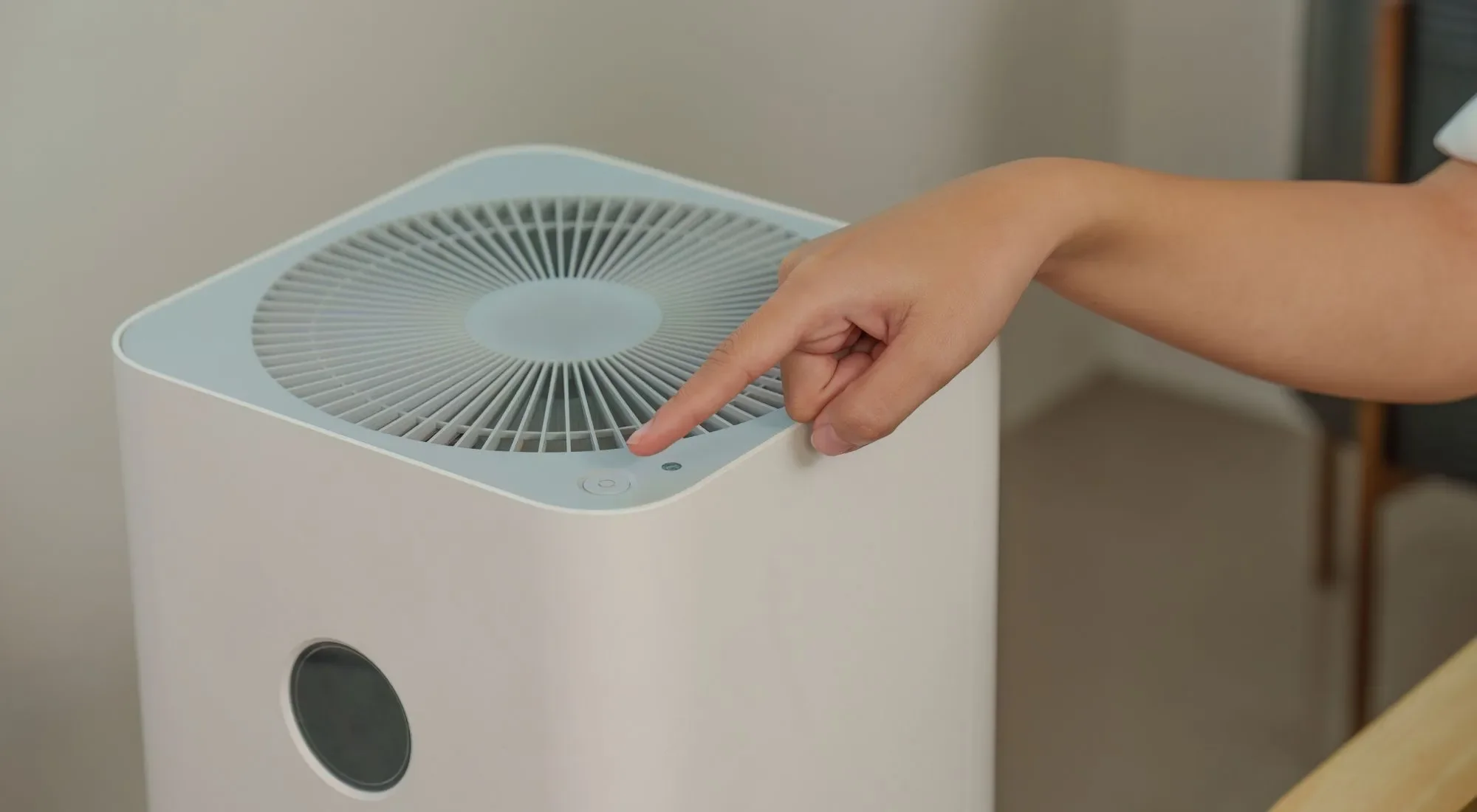
An air purifier is a device that draws air in, passes it through one or more filters, and then pushes cleaner air back out. Most units utilize a fan to create consistent airflow and circulation throughout the space. As air cycles through the machine repeatedly, each pass traps more particles and returns cleaner air to the room.
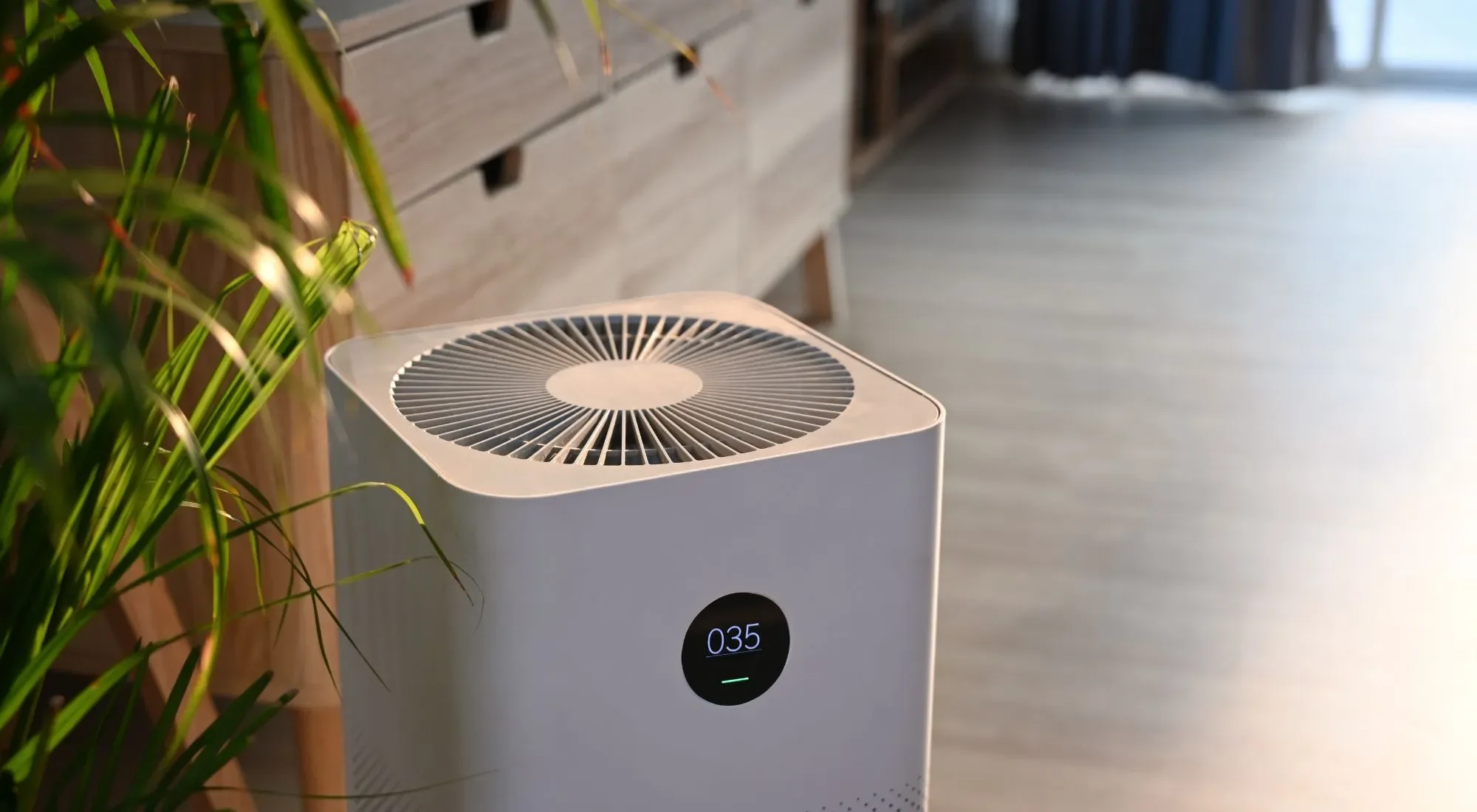
The effectiveness of an air purifier depends largely on the unit size relative to the room, how often air circulates through it, the quality of the filter, and where the device is placed. Hiding a purifier away in a corner with limited airflow can decrease its purification potential.
What Is a HEPA Filter and Why Does It Matter?
A HEPA (High Efficiency Particulate Air) filter is the gold standard for air filtration, and for good reason. According to the U.S. Environmental Protection Agency (EPA), a true HEPA filter can capture at least 99.97% of airborne particles that are 0.3 microns in diameter or larger. That includes dust, pollen, pet dander, and fine particulate matter that you cannot see with the naked eye.
When shopping for an air purifier, look for one labeled "true HEPA" or for medical-grade air filtration solutions, such as H13 and H14 HEPA filters. Avoid vague terms like "HEPA-type," "HEPA-like," or "99% efficiency," which signal lower-quality filters. This designation means the filter has been tested and verified to meet the standard, rather than simply using marketing terms, and doesn’t meet the regulated performance requirements.
What Does “Indoor Air Quality” Actually Mean?
Indoor air quality (IAQ) refers to the overall condition of the air inside your home and the health and comfort effects of the people living in it. Clean indoor air generally means low concentrations of dust, allergens, pollutants, and odors.
Some of the most common factors that affect indoor air quality include:
Dust and dust mites – Microscopic creatures that thrive in bedding, upholstery, and carpet, leaving behind particles that trigger allergies
Pet dander and hair – Tiny flakes of skin shed by animals that linger in the air and on soft surfaces long after your pet has left the room
Pollen – Seasonal allergens that enter through windows, doors, and on clothing
Smoke – Lung penetrating smoke particles from cigarettes, candles, fireplaces, or nearby wildfires
Cooking particles and odors – Particulate matter and gases from frying, roasting, and even toasting
VOCs from household products – Volatile organic compounds (VOCs) released by paints, cleaning sprays, air fresheners, and synthetic materials
Do Air Purifiers Really Improve Air Quality?
Yes, air purifiers can improve indoor air quality, particularly for airborne particles like dust, pollen, pet dander, and smoke. However, they are not a standalone solution and work best as part of a broader approach to keeping your home clean and well-ventilated.
Ready for a cleaner, healthier home? Contact Tidy Up Portland! today to schedule your next cleaning.
When Do Air Purifiers Actually Make a Difference?
Air purifiers tend to have the most noticeable impact in specific situations, including:
Allergy sufferers – Running a HEPA air purifier can meaningfully reduce airborne allergens. Research shows that HEPA filtration reduces particulate concentrations and is associated with improvements in allergy-related symptoms.
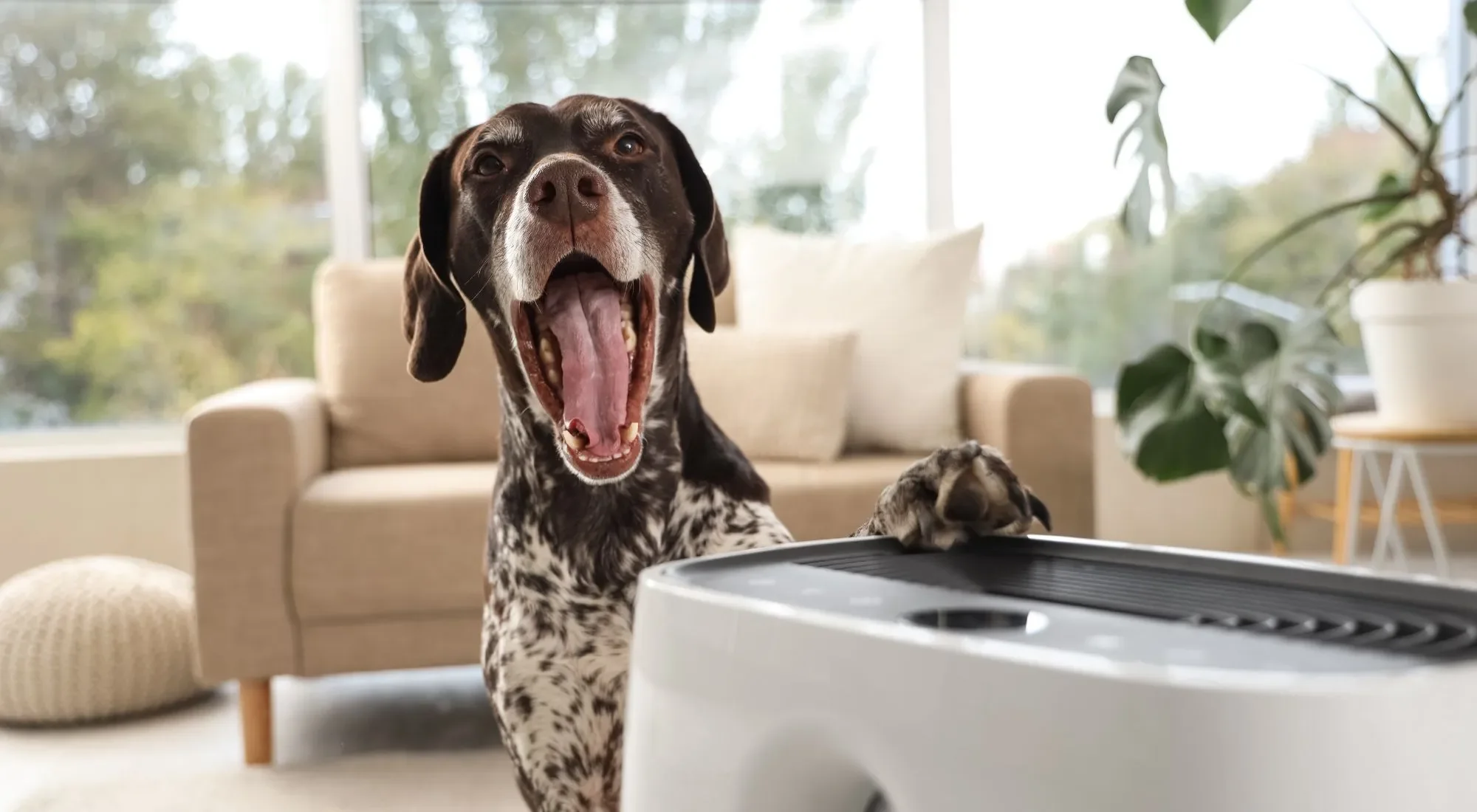
Homes with pets – Pet dander is lightweight and stays airborne for extended periods, making it a strong candidate for filtration.
Smoke exposure – Whether from wildfires, cooking, or cigarettes, air purifiers with HEPA and activated carbon filters can reduce smoke particles and associated odors.
High outdoor pollution areas – Homes near busy roads or industrial zones may benefit from continuous purification to offset what enters through ventilation.
Signs Your Home May Have Poor Air Quality
Not sure if your home's air quality is up to par? Watch out for these common indicators:
Frequent and noticeable dust buildup, especially between cleanings
Lingering odors that do not clear out even after you ventilate the space
Allergy or asthma symptoms that seem worse indoors than outside
Air that consistently feels stuffy, stale, or heavy, especially in rooms with little ventilation
If several of these sound familiar, your home's air quality may need attention.
Tips To Improve Air Quality at Home
Improving indoor air quality requires a comprehensive approach. A combination of these small, but consistent actions can add up over time:
Dust with a damp cloth – Dry dusting sends particles back into the air. A slightly damp microfiber cloth captures them instead.
Vacuum regularly with a HEPA-filter vacuum – Carpets and rugs trap enormous amounts of dust and allergens. The Asthma and Allergy Foundation of America recommends vacuuming at least once or twice per week using a vacuum with a HEPA filter.
Wash bedding weekly – Bedding is a prime habitat for dust mites. The American Academy of Allergy, Asthma, and Immunology (AAAAI) recommends washing sheets, pillowcases, and blankets in hot water weekly.
Ventilate your home – Open windows when outdoor air quality is good. Use exhaust fans in kitchens and bathrooms to push moisture and cooking particles out.
Switch to non-toxic cleaning products – Many conventional cleaning sprays release VOCs that compromise the air you breathe. Look for fragrance-free, plant-based alternatives.
Choose the right air purifier filter – Match your purifier to your needs. Use HEPA for particles, activated carbon for odors and gases, and make sure the unit is rated for your room's square footage.
Why Cleaning Still Plays a Major Role in Air Quality
Dust, pet dander, pollen, and other allergens do not just float in the air permanently. They settle. Over time, they accumulate in carpets, upholstered furniture, curtains, and bedding, quietly building up until something disturbs them again.
That disturbance is the problem. Walking across the room, sitting on the couch, or running a dry mop across the floor can send a cloud of settled particles back into the air you breathe. This is a cycle that no air purifier can fully interrupt on its own.
Create a Cleaner, Healthier Home with Tidy Up Portland!
Do air purifiers make a noticeable difference?
Sure, air purifiers are a worthwhile tool, but clean air starts with a clean home. If keeping up with regular dusting, vacuuming, and deep cleaning feels like one more thing on an already full plate, Tidy Up Portland! is here to help.
Our team provides thorough, professional home cleaning services designed to reduce the dust, allergens, and buildup that affect your home’s air quality every day. When your surfaces are consistently clean, your air purifier can do its job even better, and you can breathe a little easier knowing your home is genuinely taken care of.
Ready to get started? Contact Tidy Up Portland! today to schedule your first cleaning.
