Are These Habits Making Your Home Harder To Keep Clean?
Have you ever spent an entire Saturday cleaning your home just to feel like it is dirty again by Sunday?
Does it seem like your cleaning products just aren’t effective?
Do you still have odors or sticky surfaces even after you clean?
Many people make mistakes when it comes to cleaning their homes that can actually make things worse or render their efforts ineffective.
But it doesn’t have to be that way.
In this article, we will explore the top cleaning mistakes people make and tips for cleaning your home more efficiently and effectively.
10 Common House Cleaning Mistakes You Don’t Want To Make
Have you considered that the way you clean your home may actually make things worse? Common mistakes people make can actually slow you down, spread germs and odors, and cause damage while leaving your home in less than stellar shape.
If you feel rushed when trying to clean, are unhappy with how your home looks after you clean, or don’t really know where to start, Tidy Up Portland! is here to help. Our variety of packages can help you find cleaning services that align with your needs.

#1: Cleaning Surfaces Without Decluttering First
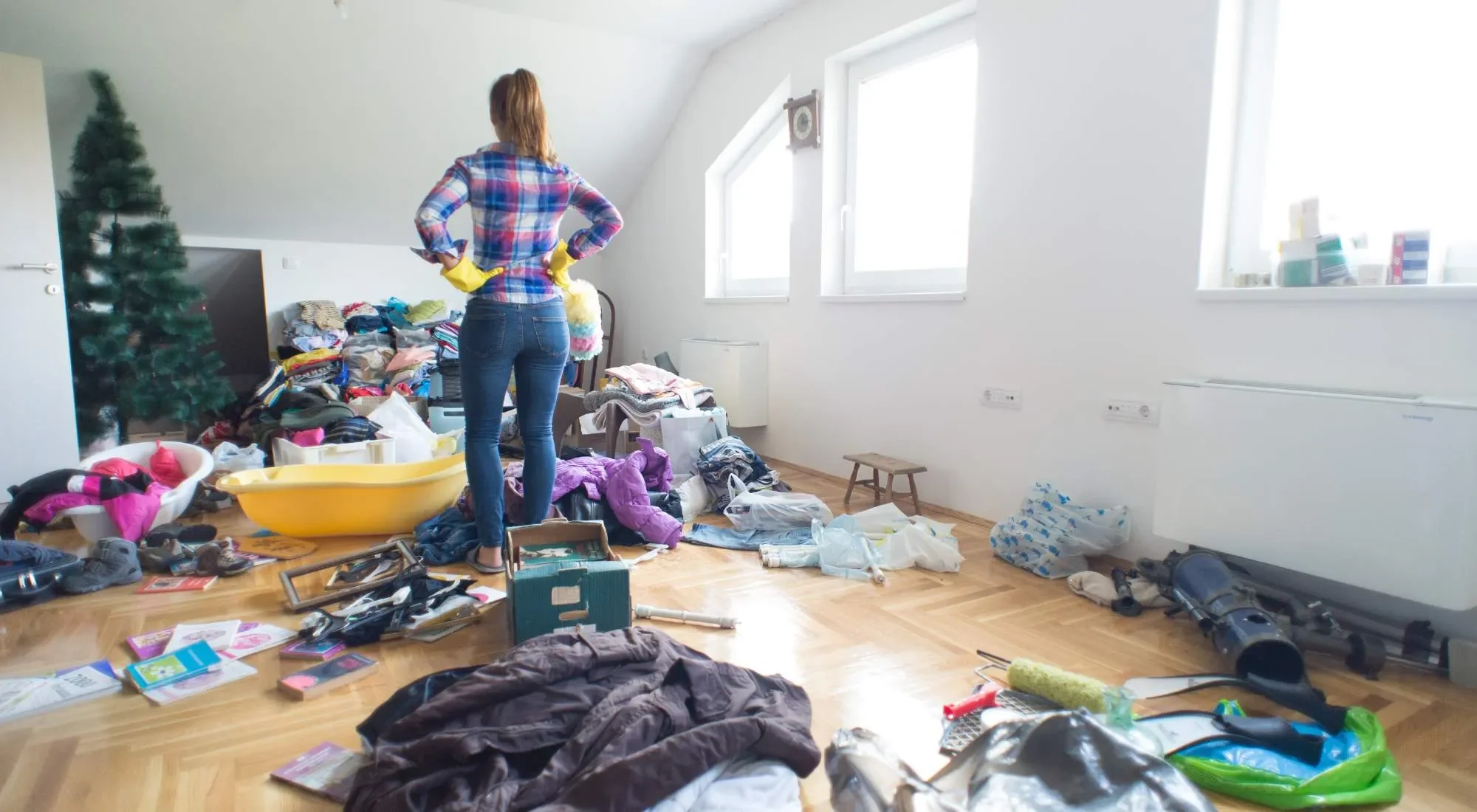
If your surfaces have any clutter, it is important to clear it before cleaning the surfaces.
By leaving clutter, you are doubling the work you must do because you are constantly shuffling your clutter to clean under and around it. The whole process takes longer and results in a superficial clean.
Removing clutter first allows you to:
Effectively wipe or dust surfaces
Remove items that collect dust and bacteria
Have longer-lasting results
Make cleaning less of a high-effort, mentally fatiguing event
#2: Using the Same Cleaning Cloth for Everything
Attempting to clean your entire home with one rag is a recipe for disaster. Using a single rag spreads bacteria from one area to another, and nothing truly gets sanitized or cleaned.
This results in unhygienic conditions, spreading dirt and grime, and potentially damages your surfaces because of built-up dust particles.
Using a clean cloth in each room or changing cloths often for major tasks is beneficial because it:
Prevents cross-contamination
Prevents the transfer of fecal matter or Salmonella
Makes cleaning more effective because the cloth isn’t saturated with dirt
Keeps bacteria and viruses from multiplying and spreading
Protects delicate surfaces from being scratched by dirt or dust
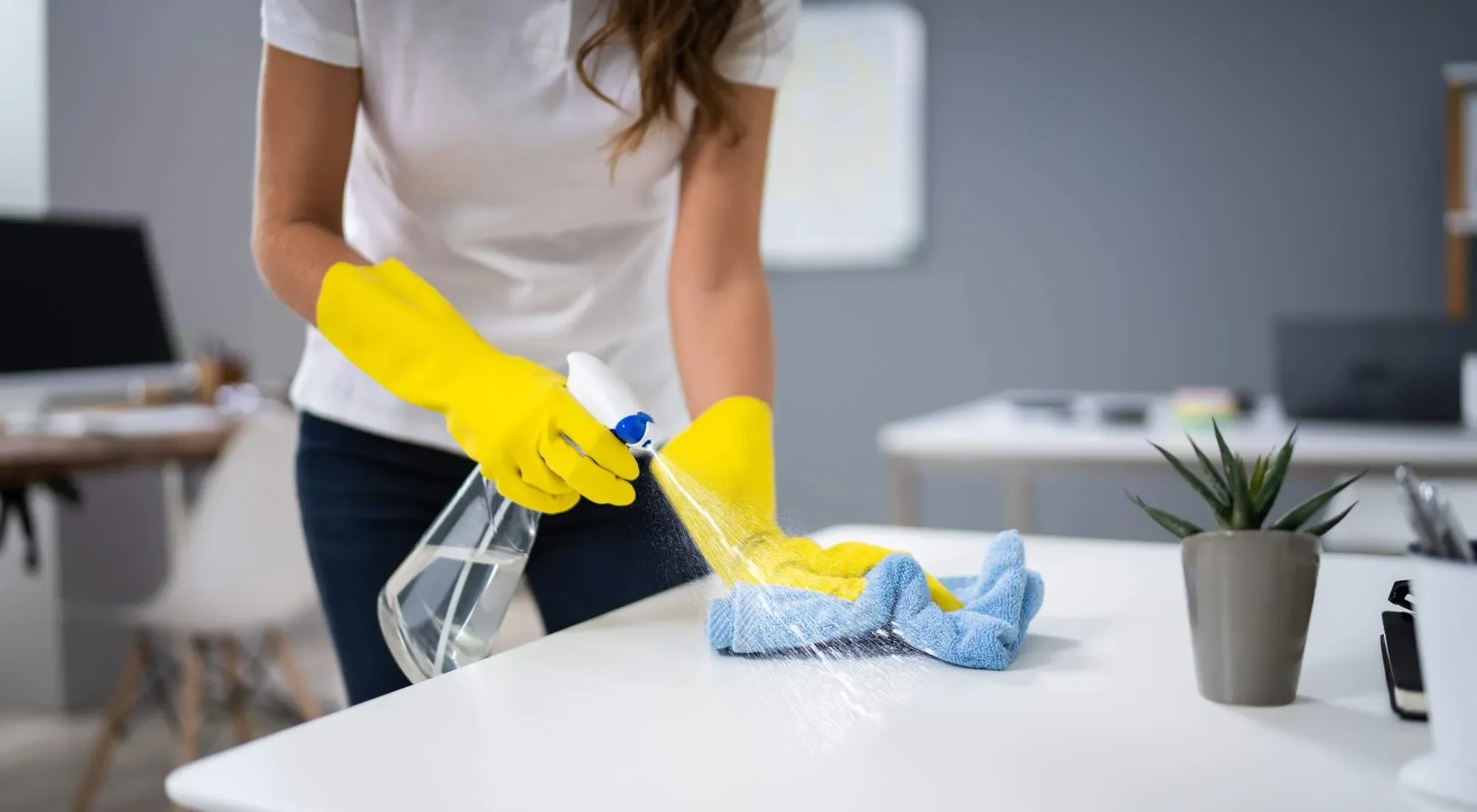
#3: Spraying Cleaner Directly Onto Surfaces
Spraying cleaners directly onto surfaces is a bad idea. Doing this causes:
Use of too much product
Uneven application
Chemical build-up
Damage to surrounding objects/materials
Permanent marks on surfaces
Risk of breathing in chemicals
Risk of getting chemicals in your eyes
Possible stripping of paint and damage to wood
It is best to spray the cleaner on your cloth or microfiber mop for better control and to prevent oversaturation, unless the directions specifically say to spray on the surface.
Some cleaners that are high-risk for damaging your surfaces or health include:
Bleach/chlorine products
Ammonia-based cleaners
Acidic cleaners
Strong degreasers
Aerosol cleaners
Peroxide-based cleaners
#4: Ignoring High-Touch Areas
It’s easy to focus on the surfaces you can see, while unintentionally ignoring high-touch areas.
High-touch areas include:
Light-switches
Door knobs
Keyboards
Stair rails
Appliance buttons
Fridge handles
Faucet handles
And more
Neglecting high-touch areas results in:
Bacteria hot-spots
Spread of illness
Higher rates of cold, flu, and other viruses
The area being unsafe or uncomfortable
Potential need to replace surfaces due to dirt and oil build-up
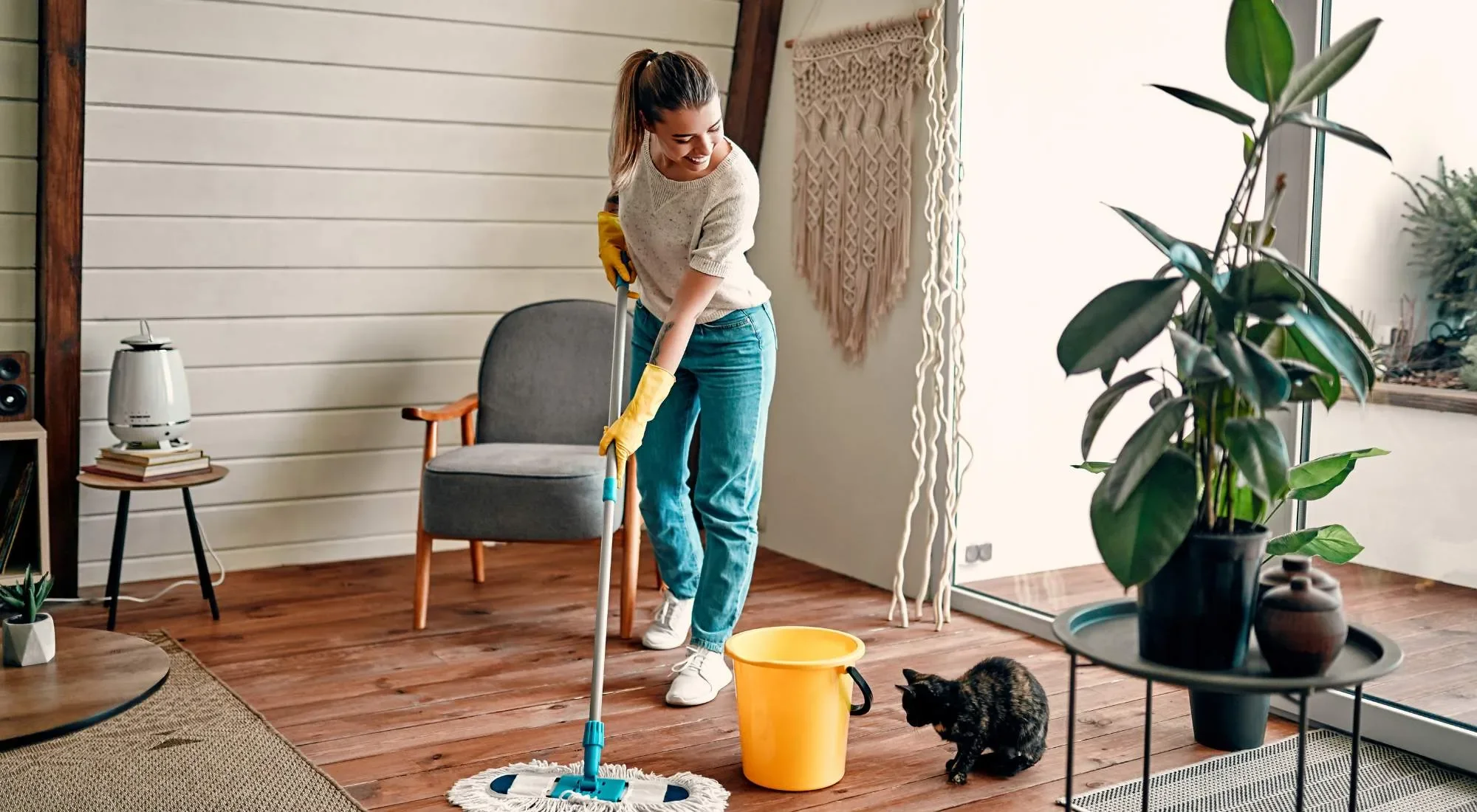
#5: Cleaning Floors Before Dusting
If you clean floors first and then dust, you will be creating more work. Dusting causes dust particles to drift down and settle on your floors. If they were clean, you would have to clean them a second time.
By dusting first, you will be:
Increasing efficiency
Keeping your surfaces clean
Decreasing the amount of work you must do
Preventing dust from spreading
When it comes to dusting and floors, it is best to clean from the top down. Gravity works for you, and when dust falls to the floor, you only have to vacuum or mop once.
#6: Using Too Much Cleaning Product
Using a large amount of a cleaning product doesn’t mean your home will be cleaner. Too much product can be counterproductive.
When you use more than the recommended ratios of a product, it can cause:
A layer of residue that attracts dirt and grime
Corrosion or stains on surfaces
Poor air quality
Eye, throat, or lung irritation
Water pollution when excess product gets washed away
Waste of money spent on products
To protect your surfaces, save money, and stay healthy, follow the instructions on the product container.
#7: Forgetting To Clean Your Tools
Cleaning the tools you use to clean your home is as important as the actual cleaning process.
Neglecting to clean your cleaning materials results in:
Breeding bacteria, mold, and allergens
Spreading grime, odors, and germs
Reduced efficiency
Shortened life-span of the tools
Redistribution of dust, grease, and bacteria to other surfaces
To clean your tools, use hot, soapy water, disinfect them, and let them fully dry. For vacuums, empty them and replace filters regularly. For sponges, sanitize them in the microwave or using a bleach solution, and replace them every 1–2 weeks.
#8: Skipping Regular Deep Cleaning Tasks
Deep cleaning tasks are necessary to maintain your home and avoid unnecessary repairs.
Even if you clean daily, deep cleaning is essential to prevent:
Dust mites and bacteria from accumulating and creating health hazards
Pest infestations caused by hidden grime and grease
Structural damage from built-up grime, mold, or mildew
Fires from dust and grease building up behind appliances
Higher energy bills due to the reduced efficiency of appliances
Increased stress and anxiety due to dirt and clutter
Regular deep cleaning requires detailed cleaning of hard-to-reach places that can keep your home in top shape and keep you and your family healthy and safe.
#9: Not Letting Cleaning Products Sit Long Enough
Immediately wiping away cleaning products after you spray them doesn’t actually give them time to work properly.
Not giving the product enough time on the surface is ineffective because:
Germs and bacteria aren’t killed on contact; they need time
Soap scum, grease, and grime can’t be broken down
Residue can be left behind
You are wasting product
It leads to unnecessary exposure to chemicals
It increases cross-contamination of surfaces
Always follow the directions for use to ensure the product works effectively. This keeps you from having to scrub harder, apply products multiple times, or having surfaces that aren’t truly clean.
#10: Trying To Clean the Whole House at Once
Tackling the entire house at once is not advised because it can leave you stressed and your house less than sparkling.
By trying to clean the whole house at one time, you are:
Making yourself tired after hours of cleaning
Caught in a cycle of overwhelming feelings because the task is intimidating
Leaving messes for longer and causing yourself to use more effort
Neglecting daily tasks and creating a chaotic environment
Causing decision fatigue because you have to make so many choices
A better approach is to create daily habits that focus on high-traffic, high-touch areas. With this method, you can break tasks down into manageable chunks, and it makes deep cleaning tasks easier to complete.
Quick Tips for Cleaning Your Home More Effectively
Cleaning your home doesn’t have to be a huge, overwhelming task. By following these tips, you can clean your home effectively without added stress.
Focus on high-traffic areas
Declutter first
Use a consistent routine
Clean from top to bottom to keep dust from settling on already cleaned surfaces
Use different clothes or sponges for different areas of the home
Wash cleaning tools often
Replace cleaning tools, such as sponges, regularly
Do one task in each room at once rather than going room by room
Use a cleaning caddy to keep supplies together
Keep your surfaces clear
Sweep before you vacuum
Utilize multi-purpose cleaners
What Is the Correct Order To Clean Your House?
By following a proper cleaning order, you can prevent yourself from doing extra work and ensure that your home is truly clean:
Clear surfaces by decluttering and putting away items first
Pick up trash and items that don’t belong in the area
Clean from top to bottom (shelves, ceiling fans, and light fixtures first)
Dry dust furniture and surfaces from top to bottom before spraying cleaners
Wipe countertops, tables, and appliances
Clean bathrooms, kitchen surfaces, and any area needing heavy sanitizing
Disinfect high-touch areas like door handles, light switches, remotes, etc.
Vacuum
Sweep hard floors
Mop
Call TidyUp Portland! for a Deeper Clean Without the Mistakes
Our team of professionals at TidyUp Portland! knows just what to do to achieve a deep clean for your home. With experience from cleaning thousands of homes and hundreds of five-star reviews, we deliver high-quality results.
We offer a variety of packages to suit your needs, from the Maintenance Cleaning package or the Deep Cleaning package to the Tidy Up package. Our online booking options make setting up a cleaning service easy, and our virtual walk-through before services begin allow us to ensure we deliver the services you need.
If you need someone to lighten the load so that you have some time to yourself, TidyUp Portland! can do the job. Reach out today!
