Kick Soap Scum to the Curb: 8 Tips for How To Prevent Soap Scum Buildup in Drains and Showers
Soap scum has a way of quietly creeping into every shower. One day, the glass looks clear, and the tile looks fresh. The next, a cloudy film seems to have taken over the doors, fixtures, and corners. Most of us have battled it with sprays, scrub brushes, and more effort than we would like to admit. Soap scum may feel unavoidable, but is it really?
While it may not be possible to stop every trace of buildup, there are practical ways to slow it down and keep it under control. That means less time bending, scrubbing, and straining your back cleaning the bathrooom.
In this guide, we will explain what causes soap scum and share eight tried-and-true ways to prevent it from taking over your shower. You will also learn how to handle hard water, choose safer cleaning methods for different surfaces, and create a routine that works for a busy household.
What Is Soap Scum and Why Does It Form?
Soap scum is the cloudy, chalky, slippery, or slightly sticky film that gradually collects around a shower. It forms when traditional soap reacts with minerals in water, particularly calcium and magnesium. Body oils, dirt, shampoo, and other product residue can then become trapped in the film, making it thicker and more noticeable. Once this residue dries and hardens through repeated showers, it becomes much more difficult to remove.
You may find soap scum on:
Glass shower doors
Tile
Grout
Tubs
Faucets
Shelves
Door tracks
Shower curtains
How To Prevent Soap Scum in a Shower: 8 Tried and True Tips
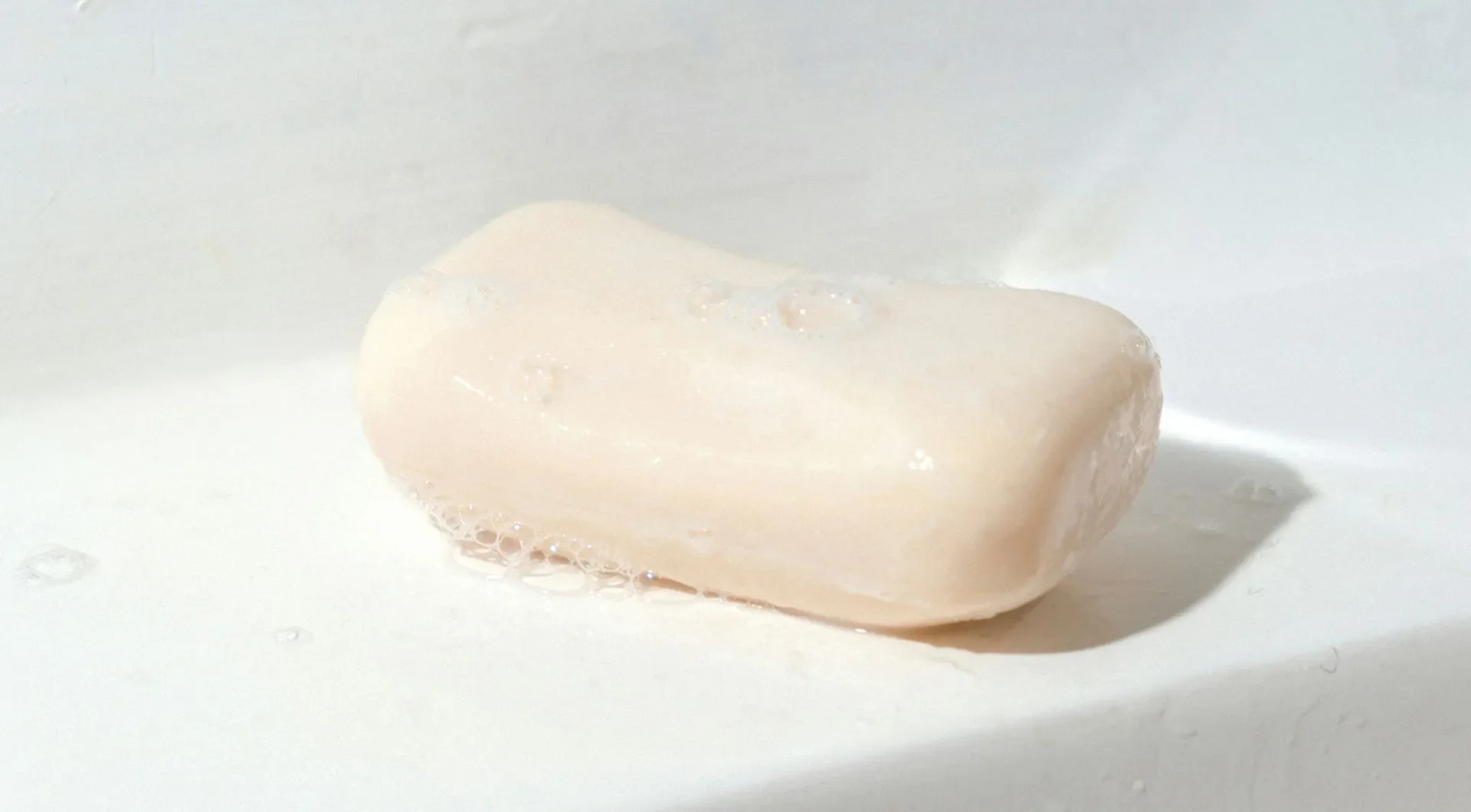
#1: Switch From Bar Soap to Liquid Body Wash
Traditional bar soap is made with fatty-acid salts that can react with calcium and magnesium in water. Synthetic detergents, which are commonly used in liquid body washes and shower gels, are less likely to create the same type of buildup in hard water.
You could also consider choosing a liquid body wash labeled soap-free rather than assuming every liquid product will prevent residue.
This change can reduce soap scum, but it will not eliminate every mark in the shower. Body oils, mineral deposits, shampoo, conditioner, and other products can still dry onto surrounding surfaces.
#2: Squeegee Shower Walls and Doors After Use
Keep a lightweight squeegee inside the shower and use it on the walls, doors, and flat panels after each use. Removing water before it dries prevents soap residue and minerals from sitting on the surface and developing into a cloudy film.
This small habit can be especially helpful for glass doors, where dried water and product residue are easy to notice. It also reduces how much scrubbing may be needed during the next full deep cleaning. When buildup becomes harder to manage, Tidy Up Portland!’s Deep Cleaning Package can provide a more thorough reset.

#3: Dry Fixtures, Shelves, and Problem Areas
A squeegee works well on large, flat surfaces, but it cannot reach every part of the shower. Water frequently remains around: FaucetsHandlesLedgesCornersSoap dishesBottle bottomsShower-door tracksUse a clean microfiber cloth to dry these problem areas, paying particular attention to places where water tends to pool rather than drain. Removing moisture helps reduce spotting and dull residue around metal fixtures, which is also an important part of thorough house cleaning in Portland, especially in bathrooms that see frequent daily use.
#4: Improve Airflow and Bathroom Ventilation
Run the bathroom exhaust fan while showering and leave it on afterward so moist air can move out of the room. The U.S. Environmental Protection Agency recommends bathroom exhaust as one way to help control indoor moisture. When appropriate, leave the shower door or curtain partially open after use so the interior can dry more efficiently. Ventilation does not prevent the chemical reaction that produces soap scum. However, faster drying gives soap, water, and mineral residue less time to remain wet on the shower surfaces.
#5: Use a Surface-Safe Daily Shower Spray
A mild daily shower spray can loosen fresh residue before it hardens. Apply it to areas that collect buildup, such as glass, tile, and shower doors.Always confirm the product is safe for your shower material and follow the label instructions. A gentle cleaner paired with regular wiping and drying can help control residue without harsh fumes, supporting Tidy Up Portland!’s green and toxic-free cleaning approach.
#6: Follow a Consistent Weekly Cleaning Routine
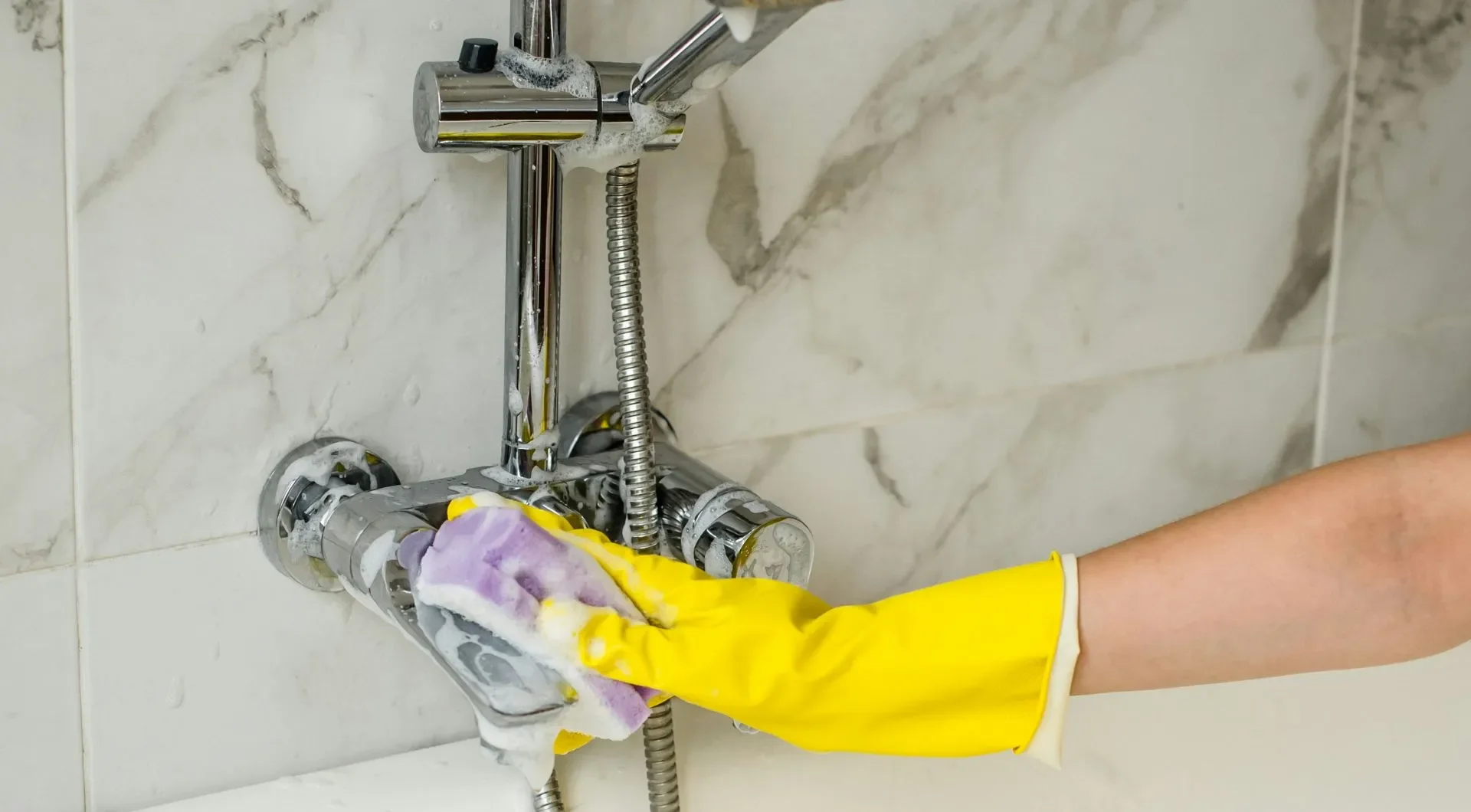
Daily prevention habits work best when they are paired with regular cleaning. Once a week, clean all the areas that may have been missed during daily upkeep.
Focus on removing the light film before it becomes thick, cloudy, or firmly attached. Fresh residue generally requires less scrubbing than buildup that has been allowed to dry repeatedly over several weeks.
For busy parents, professionals, and work-from-home households, consistency is more useful than an unrealistic routine. When keeping up with weekly bathroom maintenance starts to feel difficult, Tidy Up Portland! can help. Their professional cleaning team can handle recurring household cleaning so soap scum and other bathroom buildup are less likely to become overwhelming.
#7: Address Hard Water Mineral Deposits
Hard water contains elevated levels of dissolved minerals, primarily calcium and magnesium. These minerals can react with traditional soap and contribute to the residue commonly known as soap scum.
Cloudy shower glass, white marks around faucets, and chalky deposits may indicate that minerals are contributing to the problem. Drying surfaces promptly and using a cleaner designed for the affected material can help manage these deposits.
#8: Choose Cleaning Methods Based on the Shower Surface
The safest cleaning method depends on what the shower is made from. Before cleaning, identify the surface and review the manufacturer’s care instructions. Keep these general precautions in mind:
Use nonabrasive tools on surfaces that scratch easily.
Test unfamiliar products in a small, inconspicuous area.
Do not mix household cleaning products.
Rinse and dry surfaces when required by the label.
Use cleaners made specifically for delicate or sealed materials.
Frequently Asked Questions About Preventing Soap Scum in the Shower
Hotels generally keep shower glass clean through frequent maintenance, surface-appropriate cleaners, squeegeeing, rinsing, and drying. The main advantage is consistency: residue is removed before repeated showers allow it to harden into a noticeable film.
You can follow the same principle at home without cleaning the entire bathroom every day. Squeegee the glass after showering, address fresh spots quickly, and complete a more thorough cleaning each week.
No specific soap brand can guarantee a shower completely free from soap scum. Formulas vary, and the results also depend on your water. A soap-free liquid body wash or detergent-based shower gel will generally leave less traditional soap scum than a fatty-acid-based bar soap.
Read the ingredient list and product description instead of selecting a product based only on its brand. Look for terms such as soap-free body wash or synthetic detergent cleanser. Detergent-based formulas are less likely than traditional soap to form insoluble deposits when exposed to calcium and magnesium in hard water.
Vinegar can help loosen fresh mineral and soap residue on acid-safe surfaces, but it does not prevent soap scum from forming. It must not be used on marble, travertine, limestone, or other acid-sensitive natural stone because it may dull or etch the finish.
On compatible surfaces, vinegar may be useful as part of a cleaning routine, but it does not replace drying, squeegeeing, or regular maintenance. Always check the shower manufacturer’s care instructions before using it.
Do not combine vinegar with bleach or other cleaning chemicals. When the shower contains natural stone, use a pH-neutral product approved for that material instead. The Natural Stone Institute specifically warns that vinegar and other acidic products may damage calcareous stone.
Let Tidy Up Portland! Handle the Tough Bathroom Cleaning
Knowing how to prevent soap scum build-up comes down to consistent squeegeeing, drying, and weekly cleaning. However, busy workdays, children, and household responsibilities can make bathroom maintenance difficult. Once buildup hardens, cleaning shower glass, fixtures, and ledges may take more time and effort than expected.
Tidy Up Portland! helps Portland-area households maintain cleaner, more comfortable homes through eco-conscious residential cleaning. Depending on your needs, our team can recommend the Maintenance Package, Deep Cleaning Package, or Tidy Up Package.
All new clients complete a virtual walkthrough so we can understand their home before service begins. Our convenient online booking process also makes scheduling simple.
Spend less time scrubbing and more time focusing on your family and career. Contact Tidy Up Portland! to schedule your virtual walkthrough.
