The First Line of Defense: A Practical Guide To Cleaning High-Touch Surfaces in Commercial and Residential Areas
We all have that friend or relative who is constantly worried about dirt and germs, probably even more so after the pandemic. They avoid touching doorknobs, never press elevator buttons, constantly clean their devices, and are total clean-freaks. You might think they are exaggerating, believing that as long as everything looks clean, there is nothing to worry about. After all, a little exposure to bacteria and germs can help strengthen our defenses, right?
But what if they are actually onto something? What if the things we touch every day are crawling with more dirt, germs, and bacteria than we realize?
In this article, we will explain what high-touch surfaces are, why they matter, and how and how often you should be cleaning them to keep yourself and your space healthy.
What Are High-Touch Surfaces?
High-touch surfaces are objects and areas we come into contact with many times a day, often without even realizing it. Examples include light switches, door handles, countertops, and railings. The key idea is not just the germs themselves, but how often our hands touch these surfaces during everyday activities like getting up, cooking, cleaning, taking a break, or coming home from outside.
High-touch areas vary depending on the setting. In residential spaces, they are surfaces we touch while getting comfortable or going about daily routines. In commercial spaces, high-touch areas are linked to shared objects and heavy foot traffic. This difference explains why some surfaces need more attention than others.
Next, we will look at common high-touch surfaces and why they are so exposed. We will focus on everyday behaviors, how we use these areas, and why germs build up on them.
High-Touch Surfaces in Commercial Areas
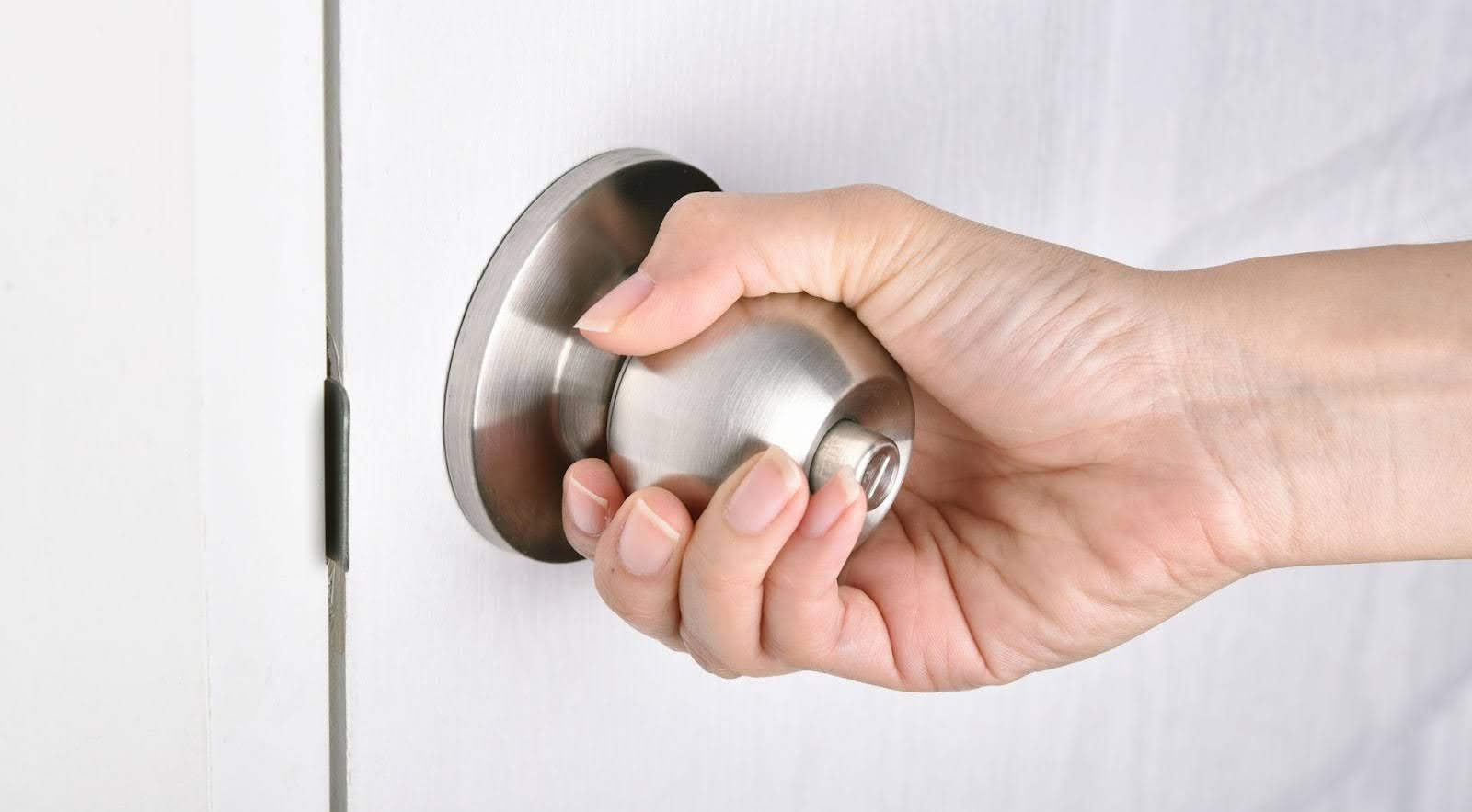
Door knobs, handles, and push plates: Almost everyone touches door hardware when entering or leaving a place. Hands move between many environments, so these surfaces are constantly being touched throughout the day.
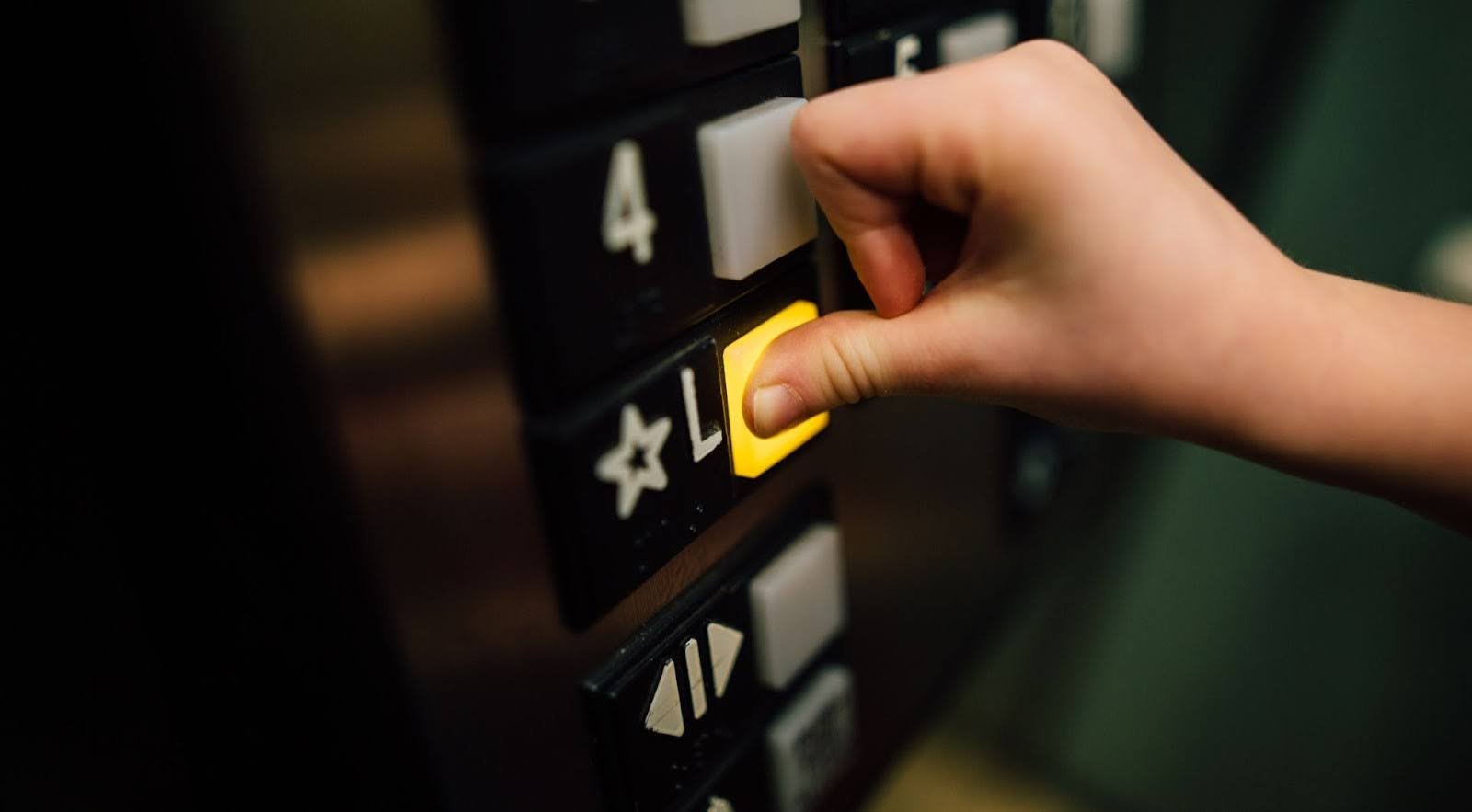
Elevator buttons: Elevators are used by many people, and the buttons are pressed frequently, leaving little time between contacts.
Checkout counters and payment keypads: Both customers and employees touch these surfaces many times during the day. Because hands move between wallets, cards, and money, these surfaces become frequent transfer points.
Shared touchscreens and self-service kiosks: These are designed for direct hand use, so people touch them constantly without cleaning in between.
Restroom fixtures (faucets, flush handles, stall locks, etc.): Almost everyone using these facilities touches them, often before washing hands. High traffic and constant use make them some of the most consistently contacted surfaces.
High-Touch Surfaces in Residential Areas
Light switches: Touched many times a day by every family member, making them a routine contact point.
Door knobs and cabinet pulls: Everyone at home touches these constantly when moving around or accessing storage. Carrying food, drinks, or other objects adds to frequent, repeated contact.
Faucet handles and surrounding sink surfaces: Touched when cooking, washing hands, or cleaning, making them naturally high-touch.
Refrigerator and appliance handles: Accessed often during meals and cooking. Hands transferring food, dishes, or utensils make these regular points of contact.
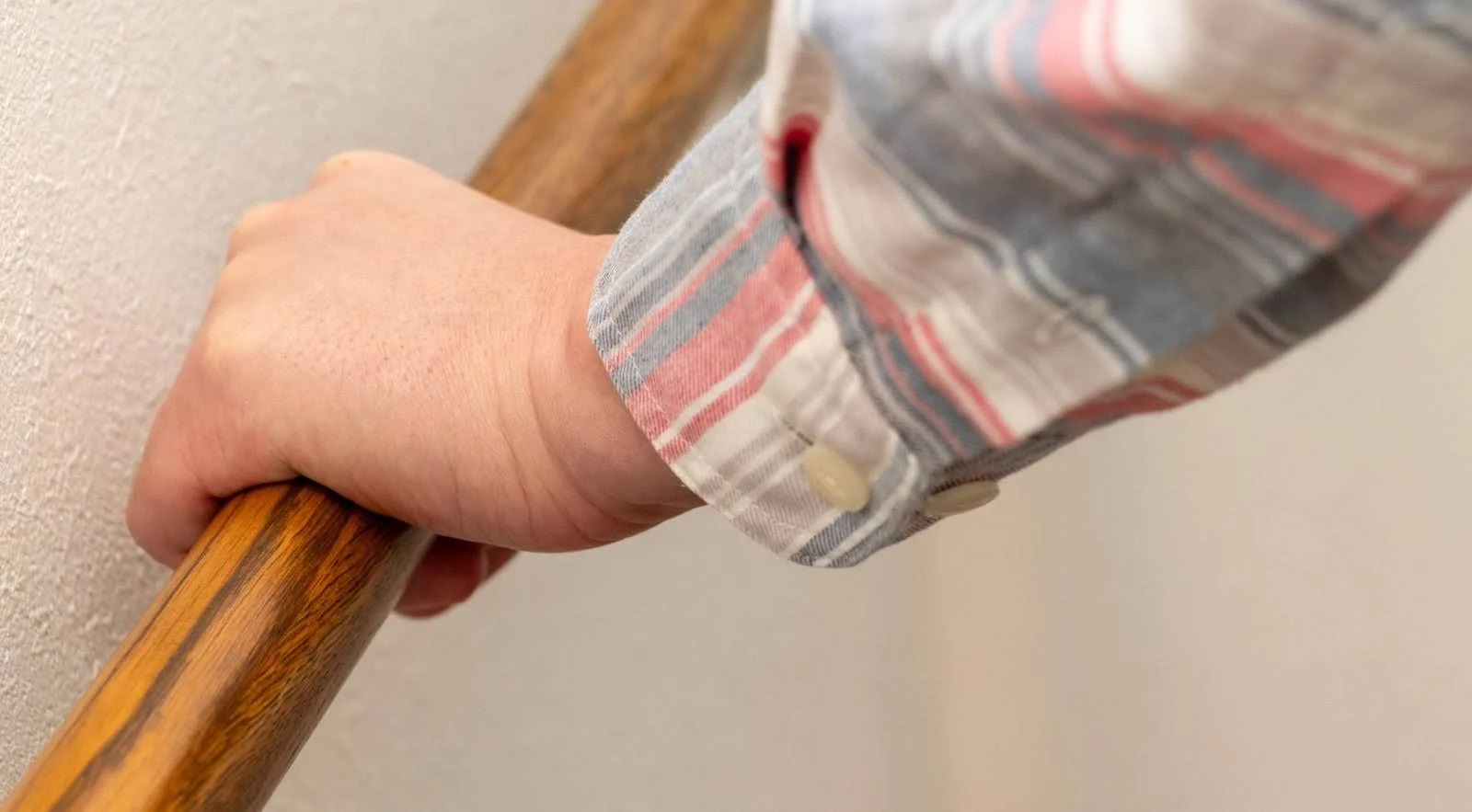
Stair railings and banisters: Especially in multi-story homes, they are used for balance and safe walking.
Controls and Devices
We interact with controls and personal devices very frequently in both residential and commercial spaces. Because they are touched so often by so many people, they pick up whatever is on our hands, making them prime spots for bacteria and other microbes.
TV remotes: Passed between family members and sometimes friends many times in a short period, often without washing hands.
Phones and tablets: We touch screens, edges, and buttons all the time, often after touching other surfaces, so they naturally accumulate germs.
Laptops and keyboards: Used for work, school, or entertainment, they are touched frequently, often after hands have been in contact with dust, food crumbs, or natural skin oils, allowing microbes to build up.
Appliance controls: People in homes or offices touch these often while cooking or adjusting settings, which contributes to the spread of bacteria.
Why High-Touch Surfaces Get Dirty Faster Than You Think
Even when a home or office looks clean, the way our hands interact with the world causes bacteria, dirt, and oils to accumulate quickly. The more we touch a surface, the faster residue and microbes build up, even if each contact is brief. Every touch leaves behind microscopic traces, and repeated touches layer them quickly. Natural oils, sweat, and tiny debris give bacteria a place to cling and multiply.
So even if a surface looks spotless or is cleaned often, high-touch areas get dirty fast because our hands are constantly moving, transferring, and layering materials. Just because a surface looks clean does not mean it is free of bacteria.
Cleaning vs. Disinfecting: What’s the Difference?
When we clean, we remove dirt, dust, oils, and visible debris using soap, detergent, or a basic cleaner and water. Cleaning reduces germs by wiping them away, but does not kill them. Disinfecting goes a step further by using chemical disinfectants to actually kill germs. Since disinfecting alone does not remove visible dirt, it is best to disinfect after cleaning.
Cleaning high-touch surfaces is ideal for everyday tasks like wiping down counters, tables, or appliances that are visibly dirty. Disinfecting should be done for high-touch surfaces during flu season, when someone is sick, or in shared spaces where germs spread quickly, like doorknobs, remote controls, or elevator buttons.
At Tidy Up Portland, we provide exactly what your space needs, whether it is a thorough cleaning or disinfecting. Contact us today to schedule your service.
How Often Should High-Touch Surfaces Be Cleaned?
How often you clean high-touch surfaces depends on your daily habits, not a strict schedule. If you have kids or pets, you might need to clean these areas every day or every other day. If you often have guests or use shared spaces a lot, make sure to clean bathroom fixtures, door handles, and tabletops regularly.
Whether you are at home or work, try to clean keyboards, phones, and coffee machines a few times a week, or more often if they get a lot of use. In offices, clean elevator buttons, shared equipment, and breakroom areas every day. Disinfect these areas if many people use them or if someone is sick.
You may need to clean and disinfect more often during certain times, like during seasonal outbreaks, when someone is sick, or after messy tasks.
How Do You Clean High-Touch Surfaces? 3 Simple Tips To Do It The Right Way
#1: Identify the Surface You Are Cleaning
It is important to identify the type of surface you are cleaning because different surfaces need different care. Wood, stone, stainless steel, and electronics all react differently to moisture and cleaning products.
Too much water can warp wood, harsh chemicals can damage stone, and liquids can harm electronics if they get inside. Knowing the material helps you choose the safest and most effective cleaning method.
#2: Use the Right Products
Equally important is choosing the right cleaning products. You want products that are gentle on surfaces but still leave them clean and safe. Harsh chemicals or generic multi-purpose sprays can damage surfaces or leave harmful residues.
Whenever possible, use non-toxic, eco-friendly products that are safe for your family and pets. The right product should remove germs and dirt while helping maintain surfaces and supporting a healthy environment.
Our team at Tidy Up Portland knows exactly which products to use to protect your space and make sure it is free of bacteria and germs. Reach out today to learn more about our packages.
#3: Get Professional Help
Sometimes it can be challenging to keep high-touch surfaces clean, especially in busy households or offices, and especially when children or pets are involved. Hiring professional cleaners can be a great solution. Experts can provide regular and thorough cleaning for areas that are often overlooked, such as doorknobs, light switches, and appliance handles.
In addition to making sure all your surfaces are thoroughly cleaned, professional services can save time and reduce stress, letting you focus on what matters most without worrying about dirt, germs, or bacteria. Regular professional cleaning can help maintain your home or office spotless and healthier, making it easier to keep your space safe and germ-free.
When Consistent High-Touch Surface Cleaning Matters, Tidy Up Portland Can Help
At Tidy Up Portland, we specialize in residential house cleaning and housekeeping services in Portland, Oregon. We aim to be your all-in-one solution to help make your household consistently clean and enjoyable.
We offer a wide range of services through comprehensive packages, including a maintenance cleaning package, a deep cleaning package, our Tidy Up package, and special seasonal or customized packages.
Keep your home consistently clean and stress-free. Check out our services and reach out today.
