Clear the Air, Skip the Sniffles: Practical Cleaning Tips for Allergy Sufferers
Allergies are, at the very least, inconvenient, but for many people, they go far beyond that. Constant sneezing, congestion, and irritation can start to affect your daily routine, productivity, and overall quality of life, both inside and outside your home. It makes sense to want to get to the root of the problem; no one wants to live with ongoing symptoms caused by allergens in their own space.
Remember that managing allergies at home isn’t about chasing perfection; it’s about creating a space where you can breathe easier, focus better, and feel more comfortable day to day. With the right approach, consistent routines, and safer products, specialized cleaning for allergy sufferers can significantly reduce the buildup of dust, dander, and other common irritants.
In this guide, we’ll walk through how to clean effectively when you have allergies, the best products to use, and eight practical strategies to reduce allergens throughout your home. Also, we will help you decide when it might make sense to bring in professional support to help you stay on top of it all.
How To Clean a House When You Have Allergies
When you have allergies, the goal of cleaning isn’t just making your home look nice; it’s reducing the total allergen load in your space. That means targeting what actually triggers symptoms, not just doing a quick surface wipe, by following simple yet effective tips that make sure you are containing dust instead of spreading it:
Use a damp cloth.
Clean top to bottom.
Vacuum with a HEPA filter.
Focus on high-impact areas like bedding, floors, and upholstery.
Wear a mask while cleaning.
Prioritize removing allergens like dust mites, pet dander, pollen, and mold spores.
You can either reset your home with a Deep Cleaning Package, keep allergens under control with a Maintenance Package, or tailor your package to your family's needs. Many busy families simply don’t have the time to keep up with it all, but bringing in professionals can make things much easier. Tidy Up Portland makes it simple to book online and stay consistent with a plan that fits your routine.
What Is the Best Cleaner To Use if You Have Allergies?
When you’re dealing with allergies, what you clean with matters just as much as how often you clean. Many traditional cleaning products contain artificial fragrances and harsh chemicals that can irritate your respiratory system, skin, and eyes, even if your home looks spotless.
The best cleaning products for allergy sufferers are:
Dye-free
Non-toxic
Plant-based
Labeled hypoallergenic
Safe for sensitive environments
Stay away from harsh chemicals like ammonia or strong artificial scents, which can worsen allergies.

Tired of Dust and Dander? 8 Foundational Cleaning Strategies for Allergy Sufferers
#1: Improve Indoor Air Quality
Cleaner air makes a huge difference for allergy sufferers, especially in homes with pets or carpeting. Start with:
HEPA air purifiers in high-use areas like bedrooms and home offices
HVAC filters that are changed every 1–3 months
Regular HVAC maintenance to prevent buildup in ducts
These steps help capture airborne particles like dust, pollen, and dander before they settle throughout your home.
#2: Start High, Finish Low
When you clean, gravity is working against you. Dust and debris fall as you wipe surfaces, so always:
Start with ceiling fans, shelves, and counters.
Remove all possible items from high surfaces and wipe them in order.
End with floors and baseboards.
This simple order prevents you from having to clean the same space twice and helps ensure that allergens are fully removed rather than floating around your home.

#3: Prioritize Soft Surfaces
Soft materials trap the most allergens, often the ones you don’t see.
Focus on:
Bedding: Wash at least once a week in hot water.
Curtains: Shampoo at least twice a year, and in between, vacuum them.
Carpets & rugs: Vacuum regularly and deep clean every 3-6 months.
Upholstery, couches, and pet beds: Vacuum and maintain, depending on use.
Books: Wipe books twice a year and shake the dust off the pages.
These areas hold onto a big percentage of the dust mites, pet dander, and pollen found in your home. Paying professional attention to these areas can make a big difference in how you feel. The detailed cleaning included in Tidy Up Portland’s packages helps remove allergens that settle deep into fabrics, not just what’s visible on the surface, which can substantially decrease allergy symptoms.
#4: Skip the Broom, Use a Vacuum
Sweeping can actually push allergens back into the air instead of removing them completely. Instead, choose a vacuum that keeps particles contained rather than recirculating them through your home and living spaces. The best vacuum cleaner for asthma and allergy sufferers has HEPA filters to:
Capture fine dust and dander.
Clean both carpets and hard floors effectively.
#5: Damp Microfiber Cloths Are Your Best Friend
Dry dusting often just moves particles around and spreads allergens across multiple surfaces. Using a slightly damp microfiber cloth helps:
Trap dust and allergens instead of spreading them.
Clean surfaces more thoroughly with fewer passes.
#6: Keep Doors and Windows Closed
Fresh air sounds nice, but it can backfire during cleaning, especially during high pollen seasons.
Open windows allow pollen, outdoor dust, and other airborne allergens to enter and settle on freshly cleaned surfaces. Keeping your home closed while cleaning helps maintain the progress you’re making.
#7: Cut the Clutter To Cut the Dust
More items in your home mean more surfaces for dust to collect and settle over time. Less clutter makes cleaning faster, easier, and more effective at controlling allergens throughout your space.
Try to:
Simplify décor and surfaces.
Reduce unnecessary items on counters and shelves.
#8: Call in Professional Support
Even with the best routine, keeping up with all this can be a lot, especially for busy households. If this is your case, know that professional cleaning can help:
Reduce your exposure to stirred-up allergens.
Ensure a more thorough, consistent clean.
Reach areas that are easy to miss.
You can reset your home with a Deep Cleaning Package or stay ahead of buildup with a Maintenance Package. If managing allergens on your own feels impossible due to a lack of time or how much worse your allergies get when you clean by yourself, Tidy Up Portland makes it easy to book online and get the support you need.
Get Professional Cleaning for Allergy Relief From Tidy Up Portland
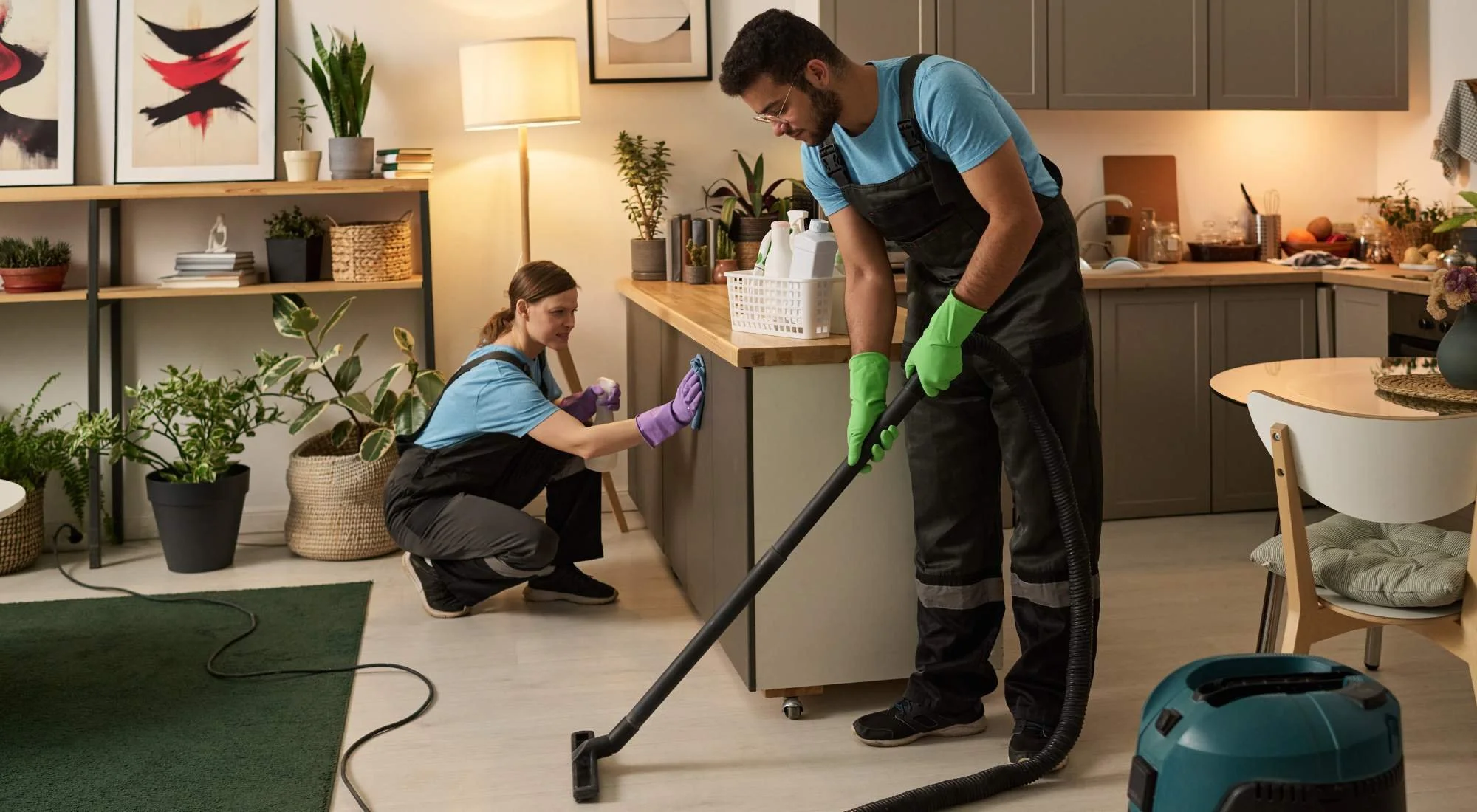
At Tidy Up Portland, cleaning is done with intention. Our team focuses on detailed, thorough routines that target the areas where allergens actually build up. Especially in soft surfaces, high-traffic zones, and overlooked spaces.
Just as importantly, we use eco-friendly, non-toxic products that are safe for sensitive households, so your home feels fresh without harsh chemical exposure.
For many families, the real challenge isn’t knowing what to do; it’s finding the time to do it consistently. That’s why recurring cleaning services can be so impactful. With options like a Deep Cleaning Package to give your home a fresh start or an intense clean after spring, and a Maintenance Package to keep allergens under control year-round, you can stay ahead of buildup instead of constantly reacting to it.
If you’re ready for a home that feels cleaner, calmer, and easier to live in, Tidy Up Portland! stands out for its simple online booking portal, a quick and convenient way to get started with a plan that fits your routine.
